10 Local Networking Ideas for Web Designers Looking to Find Clients
Published on April 21, 2026
Local business owners are constantly looking for ways to improve their visibility and attract more customers. Many either don’t have a website, have an outdated one, or simply aren’t getting results from their current setup.
When you meet people in person, you skip the usual barriers. You can ask questions, understand their goals, and position yourself as someone who can help—not just someone trying to sell a service. More importantly, people are far more likely to trust and do business with someone they’ve met face-to-face. That personal interaction builds credibility quickly and makes your conversations feel more genuine compared to a cold message or email.
Instead of trying to convince someone to trust you, you’re building that trust naturally—simply by showing up, being helpful, and having real conversations.
Finding web design clients doesn’t have to mean endlessly cold calling prospects or running expensive ads. One of the most effective, and often overlooked, strategies is simply getting out into your local community and building real relationships with local business owners.
Whether you’re just starting out or looking to grow your client base, local networking gives you direct access to the exact people who need your services. These interactions are more personal, more natural, and often lead to higher-quality, long-term clients.
In this guide, you’ll discover 10 practical networking ideas to help you connect with local business owners and turn those conversations into real opportunities. And when it comes time to actually build and manage those websites, tools like SiteSwan can help you deliver professional results quickly and efficiently.
Why Local Networking Works Well for Web Designers
Local business owners are constantly looking for ways to improve their visibility and attract more customers. Many either don’t have a website, have an outdated one, or simply aren’t getting results from their current setup.
When you meet people in person, you skip the usual barriers. You can ask questions, understand their goals, and position yourself as someone who can help—not just someone trying to sell a service. More importantly, people are far more likely to trust and do business with someone they’ve met face-to-face. That personal interaction builds credibility quickly and makes your conversations feel more genuine compared to a cold message or email.
Instead of trying to convince someone to trust you, you’re building that trust naturally—simply by showing up, being helpful, and having real conversations.
1. Join Your Local Chamber of Commerce
Your local Chamber of Commerce is one of the best places to meet established business owners who are actively investing in growth. A Chamber of Commerce is a local organization made up of business owners and professionals who work together to support, promote, and advocate for businesses in the community. They regularly host networking events, workshops, and meetups designed to help members connect and grow.
How to get started:
Search for your city’s Chamber of Commerce, or use the U.S. Chamber’s national directory to find one near you: https://www.uschamber.com/co/chambers
Once you find your local chapter, sign up for a membership and explore their event calendar.
What to do:
Attend 1–2 events per month and aim to speak with at least five new people at each event. Focus on learning, not pitching.
What to say:
“What do you do, and how are you getting customers right now?”
2. Attend Small Business Meetups & Entrepreneur Groups
Meetups are filled with motivated business owners, especially those early in their journey. These events are often more casual and conversational than formal networking settings, making it easier to connect and build relationships. Many attendees are actively looking for resources, partnerships, and support as they grow.
How to get started:
Search for local entrepreneur meetups on platforms like Meetup or Eventbrite and RSVP to events.
What to do:
Focus on newer businesses that may still be building their online presence.
What to say:
“Do you already have a website, or are you still getting that set up?”
3. Spend Time in Co-Working Spaces
Co-working spaces are full of freelancers, startups, and small business owners actively working on growing their businesses. Many of them either need a website or could benefit from a better one. As a web designer, this puts you in an environment where potential clients are already thinking about growth, marketing, and how they present themselves online. It’s also a more relaxed setting, making it easier to start natural, low-pressure conversations.
How to get started:
Search for co-working spaces in your area and book a tour or day pass.
What to do:
Work in common areas and start casual conversations.
What to say:
“What are you working on right now?”
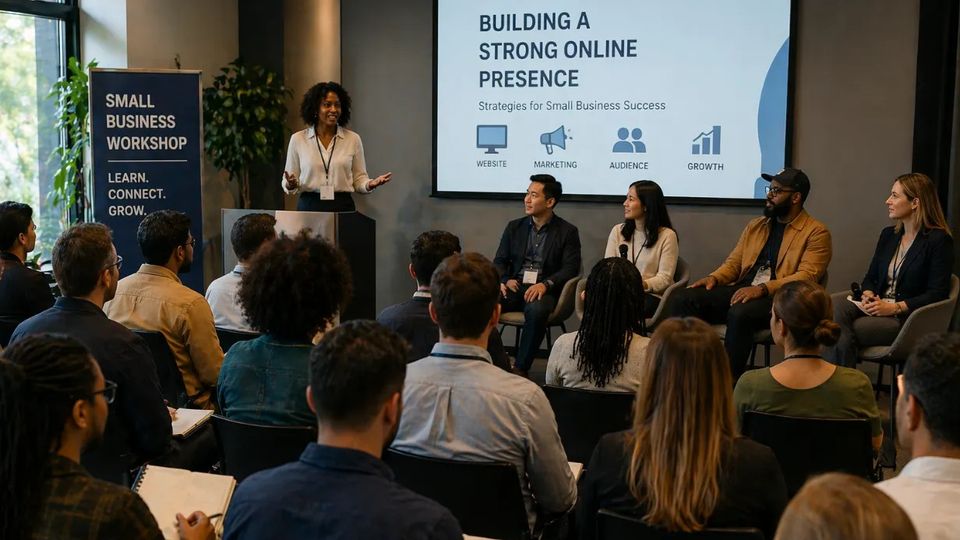
4. Go to Workshops, Seminars, and Panels
People who attend business workshops are actively trying to improve, which makes them ideal prospects. As a web designer, this is a great opportunity to meet business owners who are already thinking about growth, marketing, and strategy. All of these are areas where a strong website plays a key role. These events naturally attract people who are more open to new ideas and solutions.
How to get started:
Search for local business workshops or small business events (including SBA events).
What to do:
Arrive early or stay after to talk with attendees.
What to say:
“What brought you here today?”
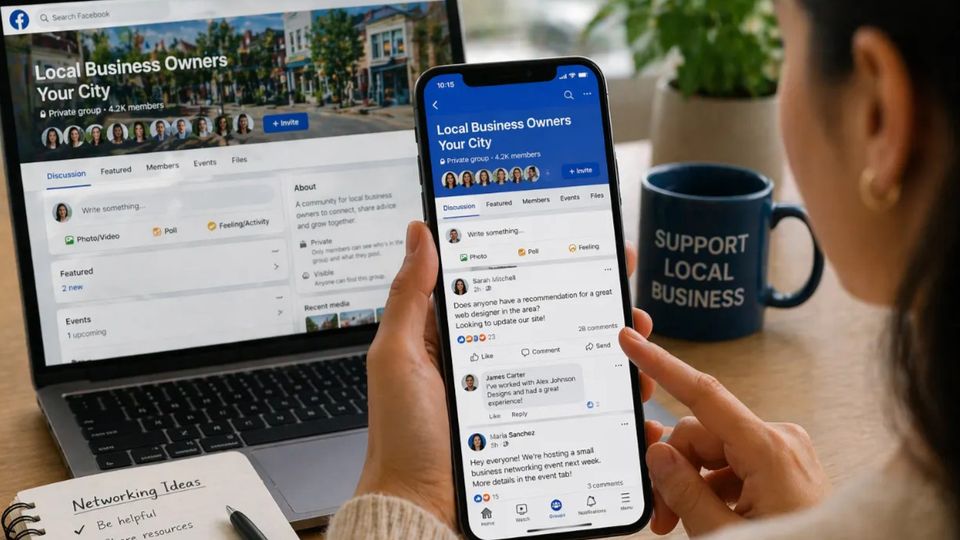
5. Engage in Local Facebook Business Groups
Local Facebook groups offer ongoing access to conversations with business owners in your area. For web designers, this creates a steady stream of opportunities to demonstrate your expertise, answer questions, and position yourself as a helpful resource. Over time, consistent engagement builds familiarity and trust before you ever have a direct sales conversation.
How to get started:
Search for groups like “[Your City] small business owners” and join several relevant ones.
What to do:
Comment consistently, offer advice, and be helpful without being overly promotional.
What to say:
“I’ve been building free demo websites for local businesses. I’d be happy to create one for you if you’d like to see what’s possible.”
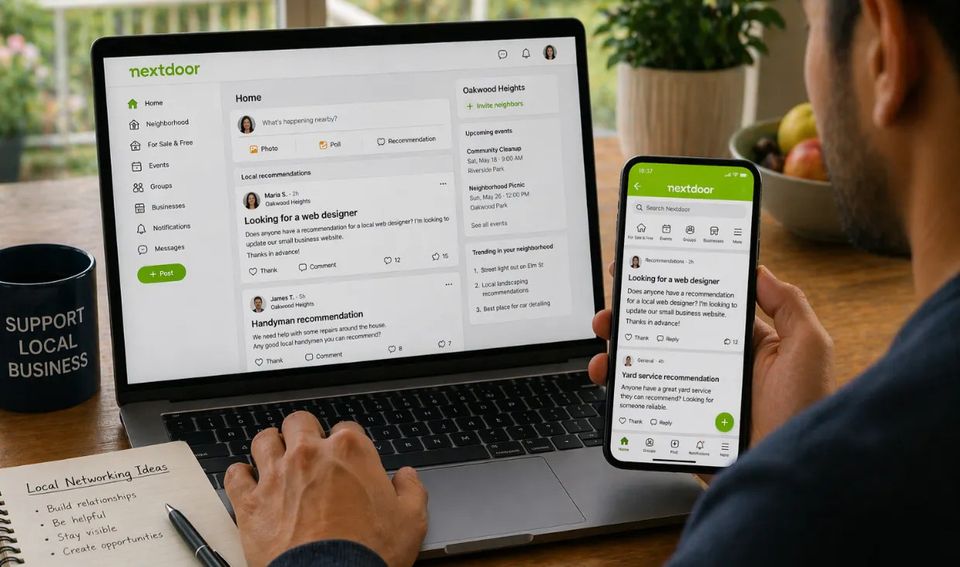
6. Use Nextdoor to Find Local Opportunities
Nextdoor connects you with people nearby who are actively looking for services. Many small business owners and homeowners post requests for help, making it a great place for web designers to find warm, intent-driven opportunities. Instead of chasing leads, you’re responding to people who are already asking for help.
How to get started:
Create a business profile and set your location.
What to do:
Look for posts where people are asking for recommendations and respond quickly.
What to say:
“Happy to take a look at your website and share a few ideas if you want.”
7. Attend or Volunteer at Local Events and Festivals
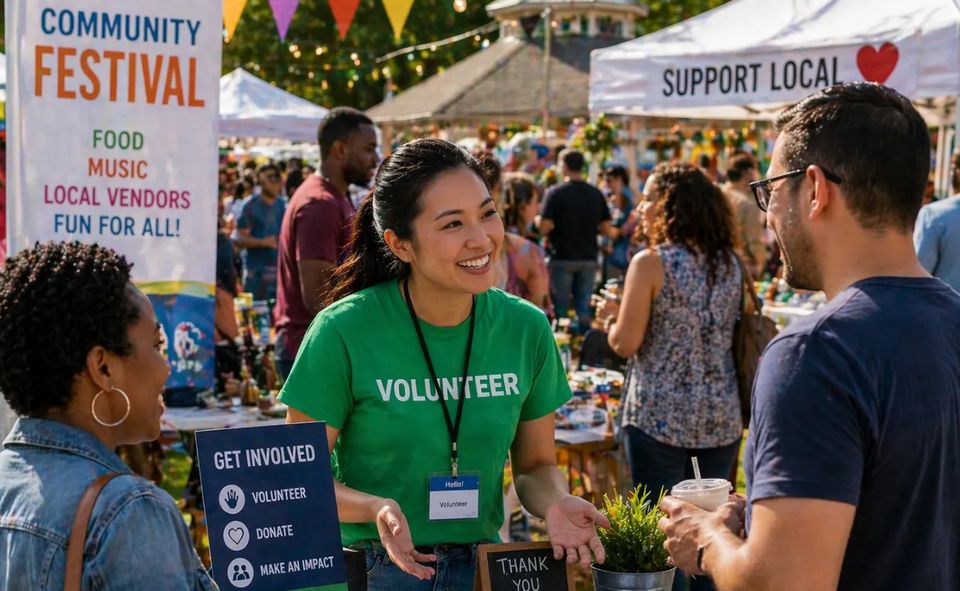
Community events are filled with vendors and organizers—many of whom are small business owners. For web designers, this is a great way to meet people in a relaxed, community-focused environment where conversations feel more natural and less transactional. It also gives you a chance to connect with businesses that rely heavily on visibility and could benefit from a stronger online presence.
How to get started:
Search for local upcoming events and volunteer opportunities.
What to do:
Talk to vendors and organizers and focus on business owners.
What to say:
“How long have you been running your business? Do you already have a website?”
8. Attend Startup Pitch Nights
Startup events are packed with founders who need to establish an online presence quickly. As a web designer, this is a prime opportunity to connect with people who not only need websites, but also understand the value of investing in their brand early. Many are looking for reliable partners they can grow with as their business scales.
How to get started:
Search for startup pitch nights or demo events hosted locally.
What to do:
Connect with founders after they present.
What to say:
“That was a great idea—are you set up online yet?”
9. Join Real Estate Investor Meetups
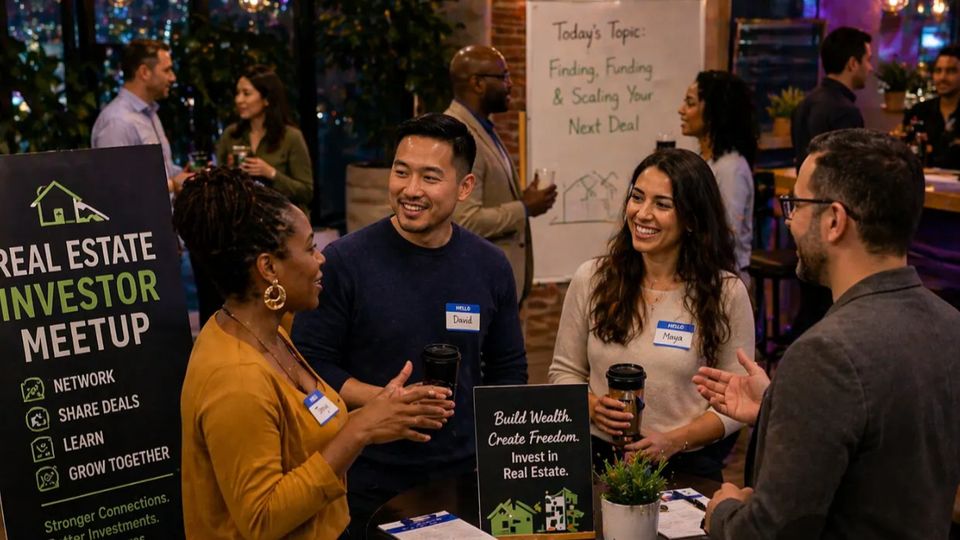
Real estate investors often have multiple ventures, making them valuable long-term connections. Beyond their core business, many are involved in side projects, property management, or other service-based businesses—all of which may need websites. For web designers, this can lead to repeat work and multiple projects from a single relationship.
How to get started:
Look for local real estate meetups on Meetup or Facebook.
What to do:
Identify people working on multiple projects or side businesses.
What to say:
“Are you working on anything outside of real estate right now?”
10. Partner with Local Service Providers
Some of your best referrals can come from other professionals who already serve small businesses. For web designers, building relationships with complementary service providers can create a steady pipeline of warm leads without needing to constantly prospect. These partners are often the first to hear when a client needs a website.
Who to connect with:
Marketing consultants, social media managers, photographers, printers, and IT providers.
How to get started:
Meet them at events or reach out directly.
What to do:
Build genuine relationships and look for ways to refer business to each other.
What to say:
“Do you ever have clients who need help with websites? I’d be happy to collaborate or send referrals your way too.”

Turn Conversations Into Clients: Follow Up With a Demo
Meeting people is only half the equation. What you do after the conversation is what actually generates clients.
One of the most effective ways to stand out is to quickly create a simple demo website tailored to the person you just met. This gives them something real to react to and shows initiative right away.
With a platform like SiteSwan, you can build clean, professional demo sites quickly, often the same day you meet someone.
Simple process:
• Collect contact information
• Identify 1–3 strong prospects
• Build quick demo versions of their website
• Follow up within 24 hours
Example follow-up message:
“Great meeting you earlier! I put together a quick sample of what your new website could look like. Would you like to see it?”
*This is an offer that is very difficult for a business owner to refuse. Once they agree to see it, follow our recommended approach for presenting a website demo to a prospect.
A Simple Weekly Networking System to Follow
To stay consistent and see results, follow a simple weekly structure:
• Attend 2 local events
• Have 10–20 meaningful conversations
• Build 1–3 demos
• Follow up the same day whenever possible
The goal isn’t to be perfect. It’s to build a rhythm. The more consistently you show up, the more familiar you become in your local business community, and the more opportunities naturally start to come your way.
It’s also important to set the right expectations. You’re not going to land a client at your first event, or even at every event, and that’s completely normal. Local networking is a long-term strategy. It often takes weeks or even a few months of consistent effort before you start seeing real momentum. People need to meet you, remember you, and trust you before they’re ready to do business.
Consistency is what turns networking from an occasional activity into a reliable source of leads. Stick with it, keep showing up, and the results will compound over time.
Final Thoughts
Finding web design clients locally isn’t about being pushy. It’s about being present, curious, and helpful. The more conversations you have, the more opportunities you’ll uncover.
When you combine consistent networking with the ability to quickly create and showcase websites using tools like SiteSwan, you put yourself in a strong position. You’re not just talking about what you can do. You’re showing it.
Start with a few of these strategies, stay consistent, and you’ll quickly realize your local community is full of potential clients who are ready to connect.
We'd love to hear from you!
Share your comments or questions using the form below.