5 Reasons to Use Social Media for Your Web Design Agency
Published on February 23, 2026
There has never been a better time to grow a web design agency.
Businesses of every size now understand that their website is one of their most important assets. As demand for professional, high-performing websites continues to rise, web design agencies have an incredible opportunity to position themselves as essential partners in digital growth.
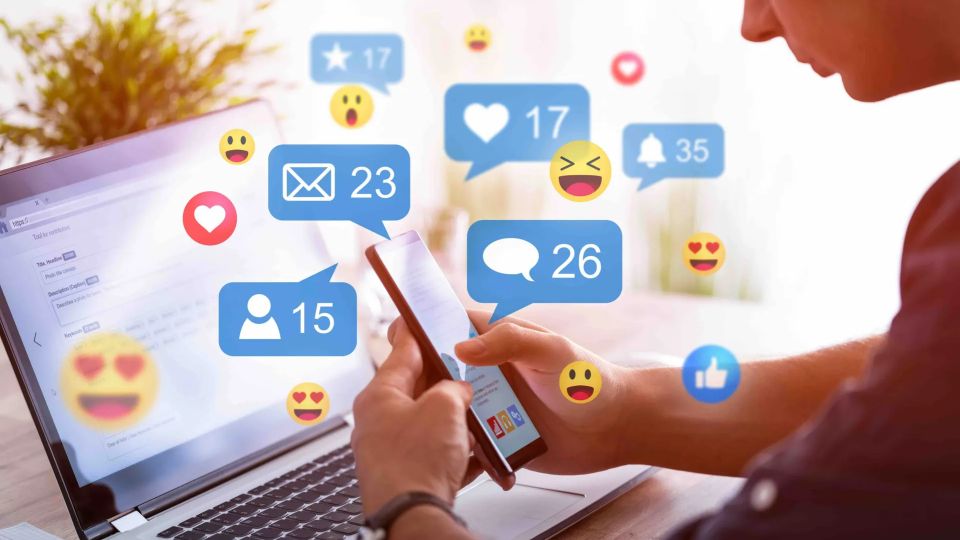
At the same time, social media has made it easier than ever to connect directly with decision-makers. Platforms like Facebook and Instagram give web design agencies the ability to showcase their work, demonstrate expertise, build trust, and attract new clients consistently.
Instead of relying solely on referrals, agencies can now take control of their visibility. With the right strategy, social media becomes more than just a branding channel — it becomes a powerful growth engine.
In this article, we’ll explore five key reasons why using social media to market your web design agency can accelerate your reach, strengthen your authority, and help you attract the right clients.
Why Social Media Is Essential for Web Design Agencies
Client behavior has changed dramatically over the past decade. Before reaching out to any agency, most business owners conduct thorough research. They review websites, browse social media profiles, read testimonials, and compare competitors. An inactive or outdated social presence can instantly create doubt about your professionalism and relevance.
An active social media presence communicates stability and expertise. It demonstrates that your agency is current, engaged, and capable of delivering modern digital solutions. In a market where trust plays a critical role in purchasing decisions, visibility builds credibility.
Beyond visibility, social media allows agencies to shape their brand narrative. Instead of waiting for prospects to interpret your website on their own, you can actively guide how your expertise, culture, and results are perceived. 1. Showcase Your Visual Expertise
Web design is inherently visual, making social platforms ideal for marketing your services.
Instagram functions as a dynamic portfolio where agencies can present their most compelling work. Sharing before-and-after website redesigns instantly communicates value. Short-form videos that walk viewers through user interface decisions demonstrate strategic thinking rather than just aesthetics. Carousel posts that explain the challenge, solution, and results of a project allow potential clients to understand the depth of your process.
Facebook complements this visual storytelling with more space for long-form content. Agencies can share detailed case studies that explain business objectives, strategy implementation, and measurable outcomes. Client reviews displayed on a Facebook business page add another layer of social proof, reinforcing trust among prospective clients.Additional platforms such as Pinterest, LinkedIn, YouTube, and TikTok can further expand your visibility. Pinterest acts as a visual discovery engine, LinkedIn connects agencies with business decision-makers, YouTube supports in-depth educational content and project walkthroughs, and TikTok offers creative short-form exposure to entrepreneurs and small business owners.
Together, these platforms create a comprehensive brand presence that blends design creativity with strategic insight. 2. Build Trust and Authority Through Content
Trust is one of the biggest barriers businesses face when hiring a web design agency. A website is a significant investment, and the results directly impact revenue. Social media helps reduce this perceived risk by offering transparency and consistent proof of expertise.
Sharing client success stories builds confidence. When prospects see measurable improvements in traffic, conversions, or engagement, they begin to view your agency as a results-driven partner rather than just a creative service provider.
Educational content further strengthens authority. When you explain topics like homepage optimization, mobile responsiveness, user experience strategy, or conversion-focused design, you demonstrate a deep understanding of the industry. This type of content positions your agency as a knowledgeable advisor.
Behind-the-scenes content also plays an important role. Showing glimpses of wireframes, brainstorming sessions, or collaborative team discussions humanizes your brand. It reassures potential clients that there is a thoughtful, structured process behind your work.
3. Expand Your Network and Strategic Partnerships
Social media is not only about attracting clients; it is also a powerful networking tool. Platforms like Facebook and Instagram allow web design agencies to connect with marketers, copywriters, developers, and SEO specialists. These relationships often lead to referral partnerships and collaborative opportunities.
Participating in business-focused groups and industry discussions increases your visibility within relevant communities. By offering insights and contributing to conversations, you establish credibility without directly selling your services. Over time, this organic engagement can generate high-quality leads from people who already trust your expertise.
Networking through social media accelerates growth by expanding your ecosystem. Instead of relying solely on outbound marketing, you create a network that consistently introduces new opportunities.
4. Cost-Effective Marketing with Measurable ROI
One of the most compelling reasons to invest in social media marketing for web designers is its cost efficiency. Compared to traditional advertising channels, social media requires significantly less financial investment while offering highly targeted reach.
Organic growth strategies can generate meaningful visibility when paired with consistent posting and authentic engagement. Regularly sharing valuable insights and showcasing design work builds momentum over time. Unlike paid ads that stop delivering results when the budget runs out, organic content continues to strengthen your brand presence long-term.
For agencies seeking faster results, paid advertising on Facebook and Instagram offers powerful targeting options. Campaigns can focus specifically on business owners, startup founders, or companies within certain industries. Retargeting ads can re-engage visitors who have previously explored your website but did not take action.
The ability to measure performance in real time makes social advertising especially valuable. Agencies can track engagement, conversions, and cost per lead, allowing for continuous optimization and improved returns. 5. Turn Followers Into Clients
Building an audience is only the first step. The true value of social media lies in conversion.
Every post should guide the audience toward a clear next step. Whether that step involves booking a consultation, downloading a resource, or visiting your portfolio, clarity increases action. Strong calls-to-action help eliminate hesitation and create direction.
Lead magnets can further strengthen your conversion strategy. Offering a website audit checklist or a conversion optimization guide encourages followers to share their contact information. This transforms passive followers into active prospects within your sales funnel.
Direct messages also play a surprisingly effective role in lead generation. Many business owners prefer starting conversations informally. Responding promptly and providing thoughtful answers builds rapport quickly. From there, guiding the conversation toward a strategy call becomes a natural progression. Create a Sustainable Social Media Strategy
Consistency and strategy are critical for long-term success. Random posting rarely produces meaningful results. Instead, agencies should define a clear niche, identify their ideal client profile, and develop content themes aligned with that audience’s needs.
A structured content calendar ensures balance between showcasing work, educating the audience, and demonstrating personality. Tracking metrics such as engagement rate, profile visits, and inquiries allows agencies to refine their approach over time.
Optimization turns social media from a simple marketing activity into a scalable growth system.For agencies looking to grow their web design business online, social media is no longer optional. It provides a platform to showcase creativity, demonstrate strategic thinking, and build trust at scale. It supports networking, strengthens partnerships, and offers cost-effective marketing opportunities with measurable results.
Bonus: Common Mistakes to Avoid
Many web design agencies fail to see results from social media because they approach it without strategy.
Inconsistent posting weakens brand visibility. Overly promotional content pushes audiences away. Ignoring comments or messages reduces engagement opportunities. Perhaps most importantly, failing to provide a clear conversion path leaves potential leads unsure of what to do next.
Addressing these issues alone can significantly improve performance and increase client inquiries. Final Thoughts
Integrating social media for web design agencies into your marketing plan is one of the most effective ways to expand your reach and attract new clients. By consistently sharing valuable content, showcasing measurable results, and engaging with your audience, you position your agency as a trusted authority in a crowded market.
Growth does not happen by chance. It happens through visibility, credibility, and consistent action.
The businesses you want to work with are already scrolling. Make sure your agency is part of what they see. Ready to Strengthen Your Social Media Strategy?
Whether you’re just getting started or actively growing your web design agency, having the right guidance can accelerate your success.
SiteSwan provides comprehensive training, ongoing coaching, and dedicated support designed specifically for web design entrepreneurs. No matter where you are in your journey — starting out, building momentum, or expanding your client base — you don’t have to figure it out alone.
With the right support behind you, your next client isn’t just one post away — it’s one smart strategy away.